


One strain. A multi-stage process to obtain the product. Wider possibilities for use.
Strain
Limosilactobacillus reuteri DSM 15693. Research has confirmed its unique biological properties. They are the basis of the patent protection that we are developing.
Properties of the strain
One of the key features of the strain is capnophilia — it prefers to grow at a higher concentration of CO₂. The detailed description of these properties and their importance for the process remain part of the protected know-how of Thesybin Labs PSA.
Fermentation
The central stage of the technology. We carry it out under controlled, repeatable conditions, so that each time we get material with the same, defined properties. The process uses an industrial medium developed in line with the requirements for composition and safety.

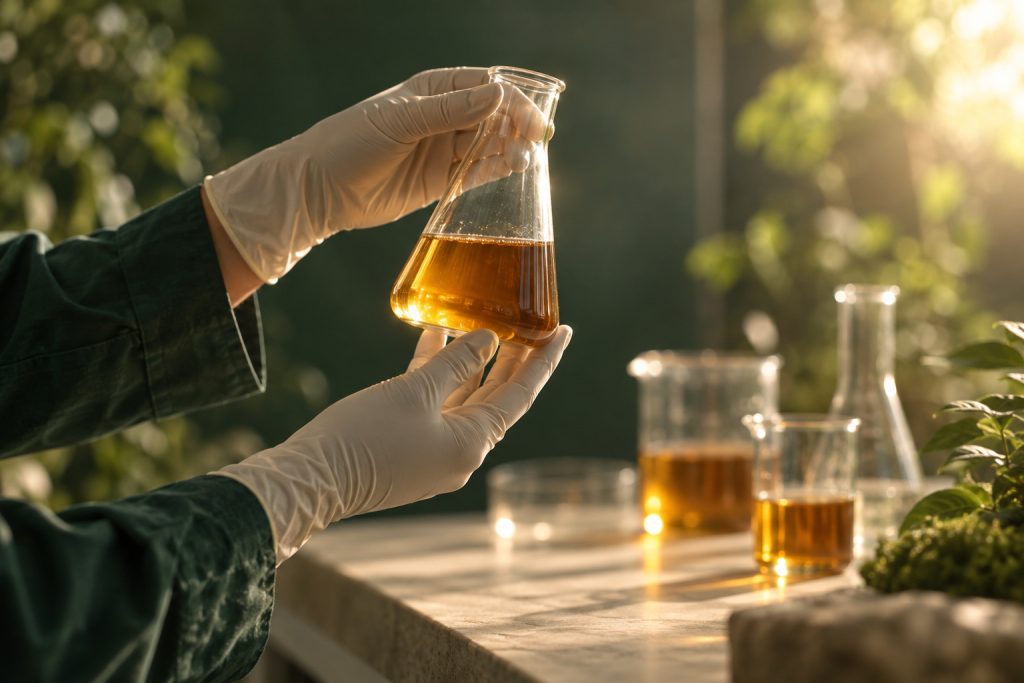

From strain to formulation — the full process
- STRAIN — biological material with defined, verified properties
- BIOSYNTHESIS — carried out without oxygen, with monitoring of parameters that are a trade secret of the company
- ANALYSIS — internal control after biosynthesis and after inactivation, in line with the information on the product label
- FORMULATION — combining the created material with zinc, vitamin B5 and flavouring
- THESYBIN — the finished product
Process, resources and the circular economy
We designed the production process to limit production waste — this is part of our approach to using raw materials efficiently.
One of the directions for further development of the technology is to use selected resources and by-products of the agri-food industry as raw material for further biological processes.
- RESOURCE
- BIOTECHNOLOGY
- NEW VALUE
We do not claim that every resource can be used again. We want to develop the technology towards solutions that help use available biological resources more efficiently, reduce waste and create new uses for them. This is a direction for development, not a statement that the described solutions are already in use.
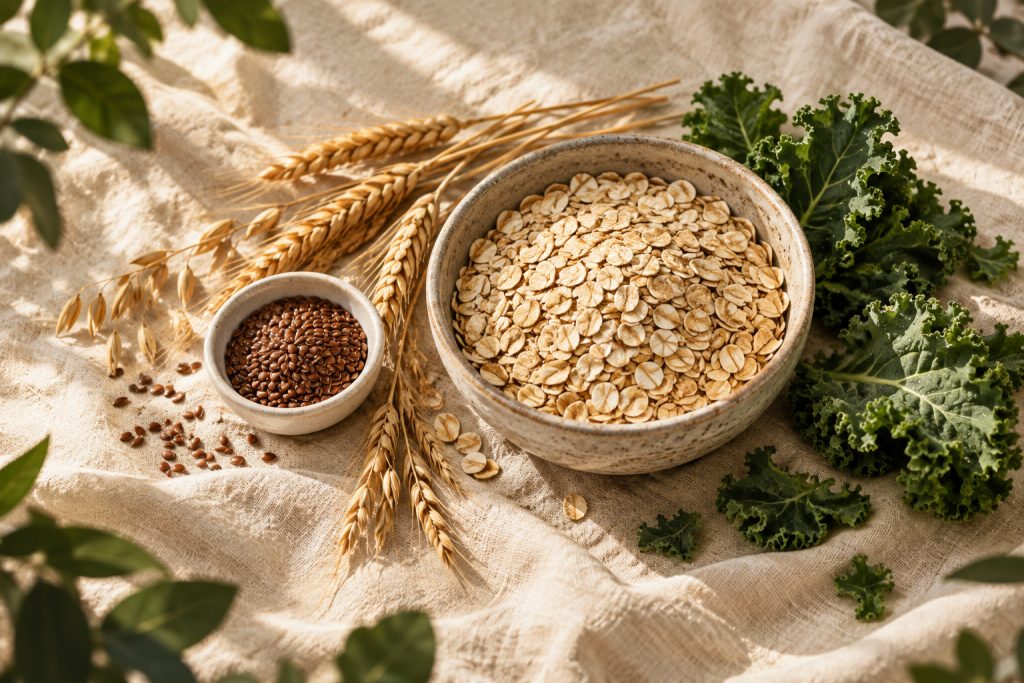
One Health
We develop the technology with three perspectives in mind: the health of people, animals and the planet.
Research and publications
Every stage — from choosing the strain to the formulation — is part of research and development (R&D) work. We developed it on the basis of our own research and in cooperation with scientific institutions.
Intellectual property
| Type of protection | Description | Status |
|---|---|---|
| Patents | EP2457575, EP2457576, EP2468319 | EP2457575 and EP2457576 upheld, protection until 2035 (it can be extended under an SPC by up to 5 years, for medical use) |
| Strain deposit | L. reuteri DSM 15693 | Deposited in the DSMZ collection under the Budapest Treaty |
| Trade mark | OLINATI.MED® | Registered trade name, licence |
The know-how of Thesybin Labs PSA is protected within the company.